Canary Islands

Gran Canaria

The island's most beautiful attractions — a personal guide to places worth seeing

▼ Scroll to discover

Gran Canaria is often called a "continent in miniature" — and not without reason. On this relatively small island you'll find almost everything you could want from a holiday: golden beaches, sand "Saharas", pine forests up in the clouds, colonial towns, volcanic rock formations and thousand-year-old places of worship of the island's original inhabitants.

This guide collects the 14 most interesting attractions — from packed classics like Maspalomas to less obvious places that reveal the true soul of the island.

The North — History and Colonial Charm

Las Palmas, Arucas, Teror and the Valerón Valley

Las Palmas Old Town — the Vegueta district
Attraction 01

Las Palmas Old Town Vegueta · Las Palmas de Gran Canaria

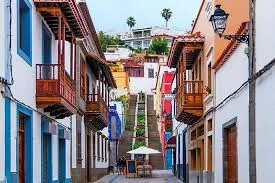
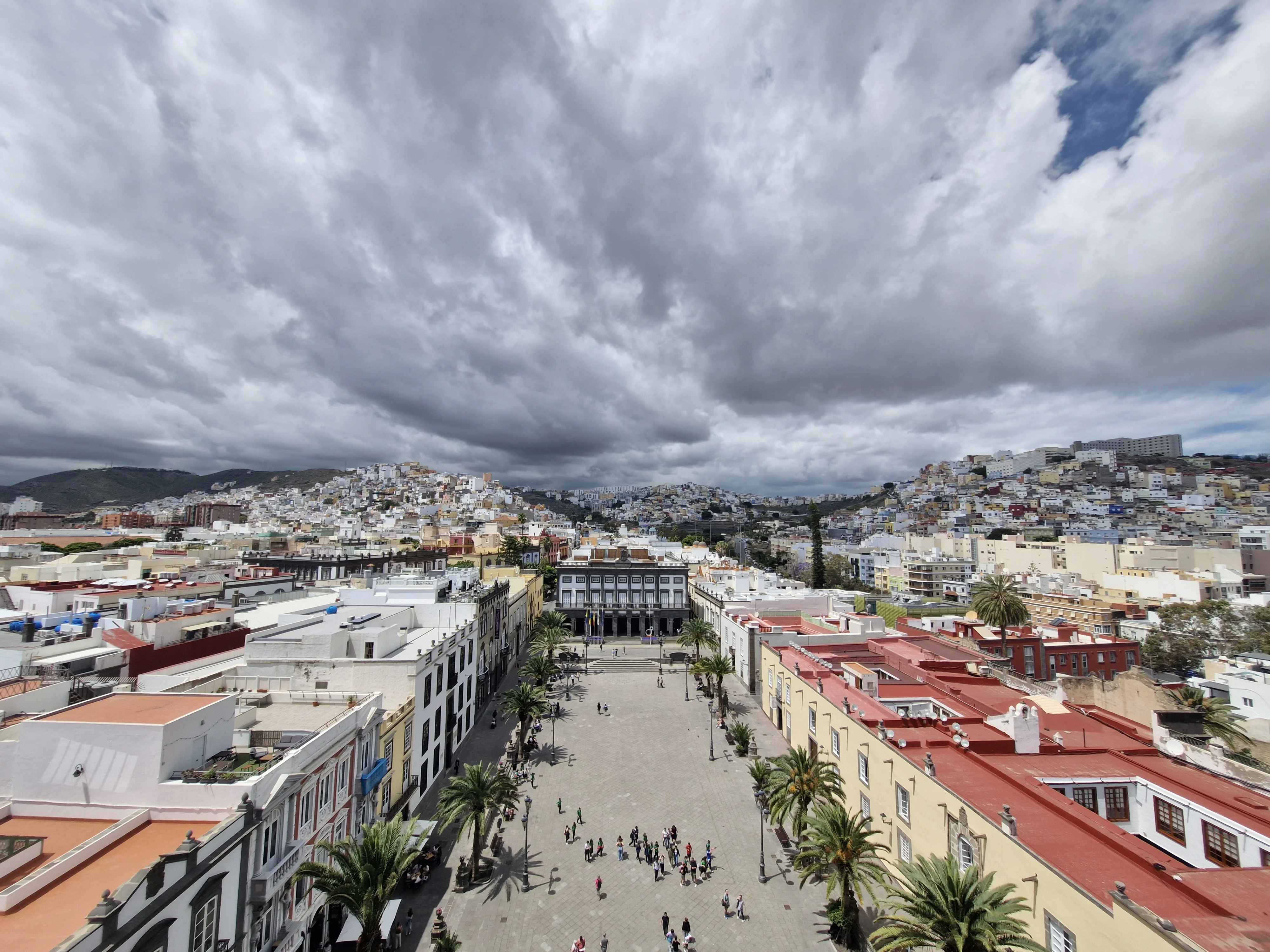
Vegueta is the oldest district of the island's capital and a flashpoint of its history — it was from here that Christopher Columbus set out on his first voyage to the New World in 1492. Cobbled streets, colonial facades with wooden balconies, intimate little squares with laurel trees — everything frozen somewhere in the 16th century.

The heart of the district is Plaza de Santa Ana with its monumental cathedral, facing the bishop's palace and the town hall. A few steps further is Casa de Colón, the house where Columbus is said to have stayed before setting out across the Atlantic. Inside, a museum dedicated to that voyage and to pre-Columbian archaeology.

TipCome in the morning (before 11:00) — it's cooler and there are fewer tourists. On Thursday evenings the nearby tapas bars feel like Seville.
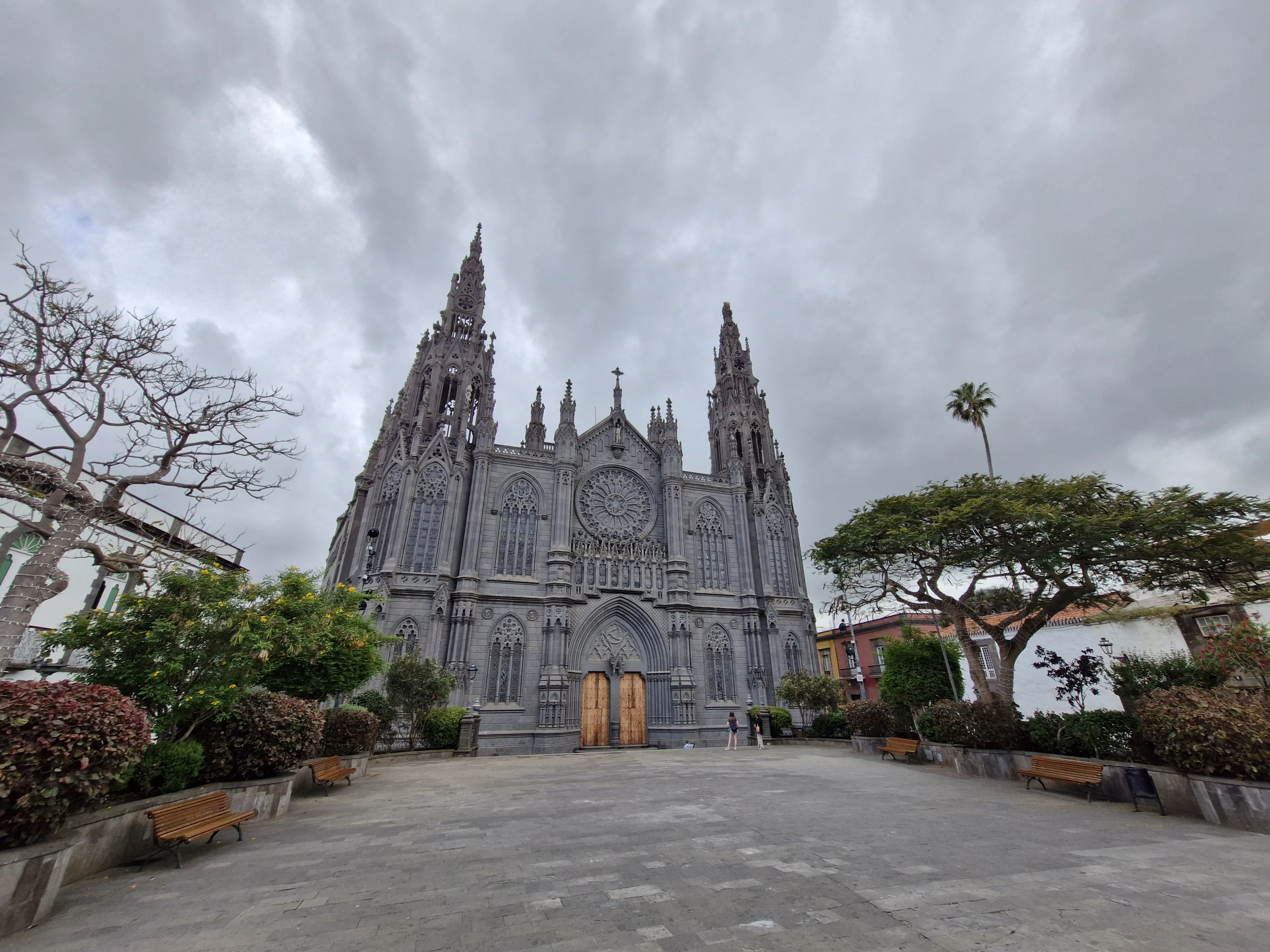
San Juan Bautista cathedral in Arucas
Attraction 02

The Cathedral of Arucas San Juan Bautista · Arucas

From a distance it looks like a Gothic cathedral lifted straight out of Burgundy — in reality, this neo-Gothic building was only completed in 1909 and is built entirely from local dark-grey basalt quarried in the surrounding hills. Striking stained-glass windows, a 60-metre tower, and the contrast of black stone against blue sky.

Although technically not a diocesan cathedral, locals call it "the Cathedral of Arucas" simply because of its size and presence. You can climb the tower — from the top a panorama unfolds over banana plantations, the ocean and the town.

Tip3 km from the cathedral is Destilerías Arehucas — a historic rum distillery from 1884 with tastings and a museum. A natural add-on to the visit.

Cenobio de Valerón — prehistoric granaries
Attraction 03

Cenobio de Valerón Santa María de Guía

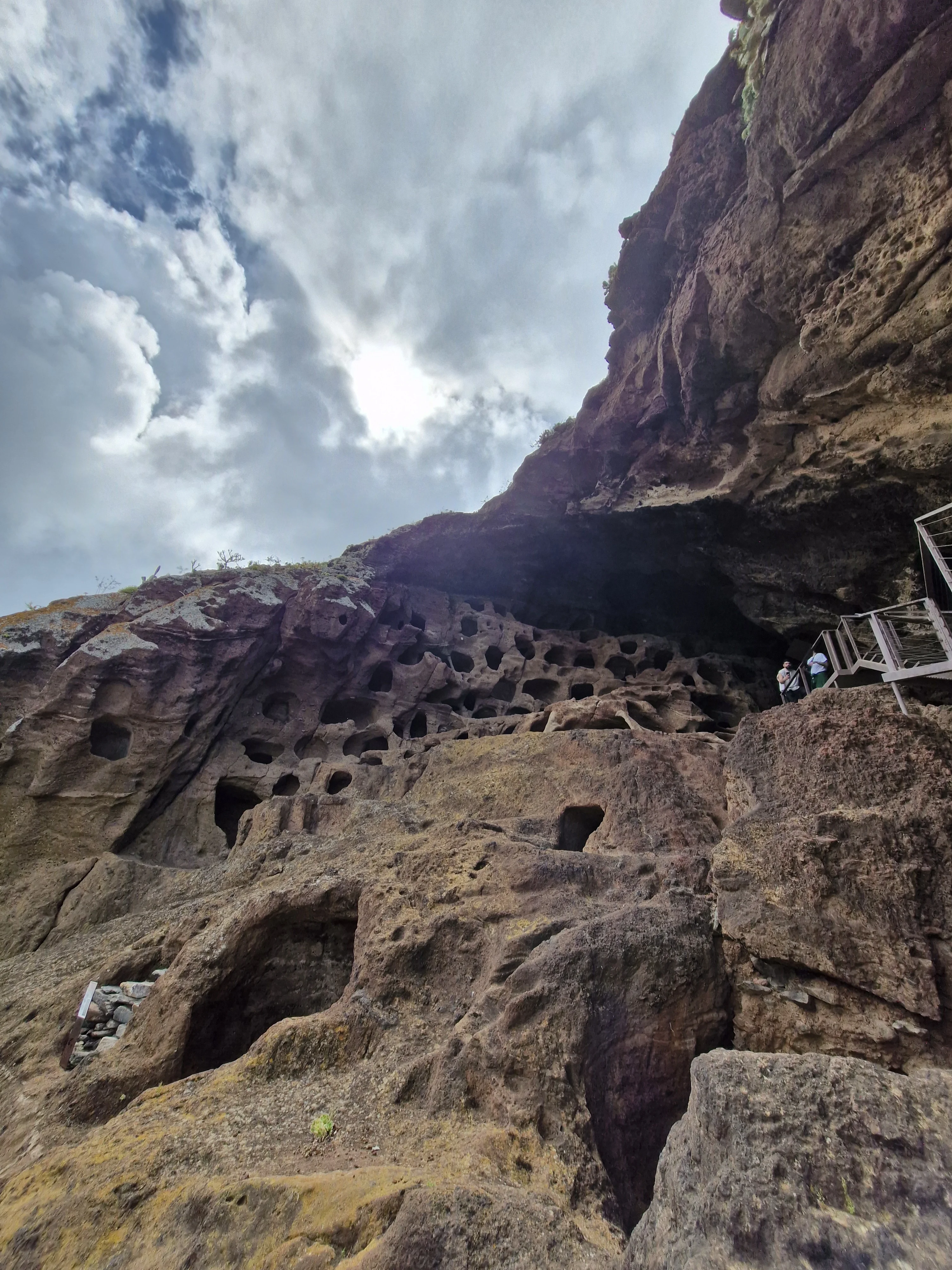
One of the most precious archaeological sites in the Canary Islands — more than 350 chambers carved into volcanic rock by the Guanches, the island's indigenous inhabitants, before the Castilian conquest (pre-15th century). For centuries it was thought to be a monastery (hence the name "cenobio"), but in fact these were communal tribal granaries — grain, dried fruit, the food reserves of the community.

A ventilation system carved directly into the rock still keeps the temperature and humidity stable today. From the viewing platform there's also a breathtaking view of Barranco del Valerón and the ocean.

TipEntry around €3, open Wed, Thu, Sat, Sun. Check the opening hours before your visit — they vary by season.

Driving alertThe short access road to the viewing platform is narrow with a few sharp bends. Drive calmly, give way to oncoming cars and park only in the designated area.

The Centre — Mountains and Volcanoes

The highest peaks, sacred rocks and villages in the clouds

Pico de las Nieves — the highest peak of Gran Canaria
Attraction 04

Pico de las Nieves The island's highest peak — 1,949 m above sea level

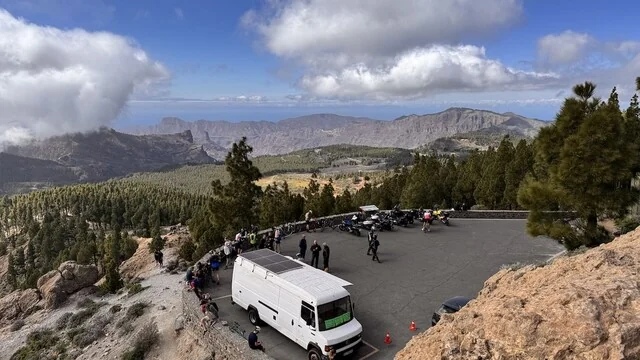
The highest point on Gran Canaria, which you can simply… drive up to. The serpentine roads that wind from sea level to nearly 2,000 metres are an attraction in their own right — new panoramas open up every few kilometres, the landscape shifts from palm trees to Canary pines, and the temperature can drop by 15 °C compared to the coast.

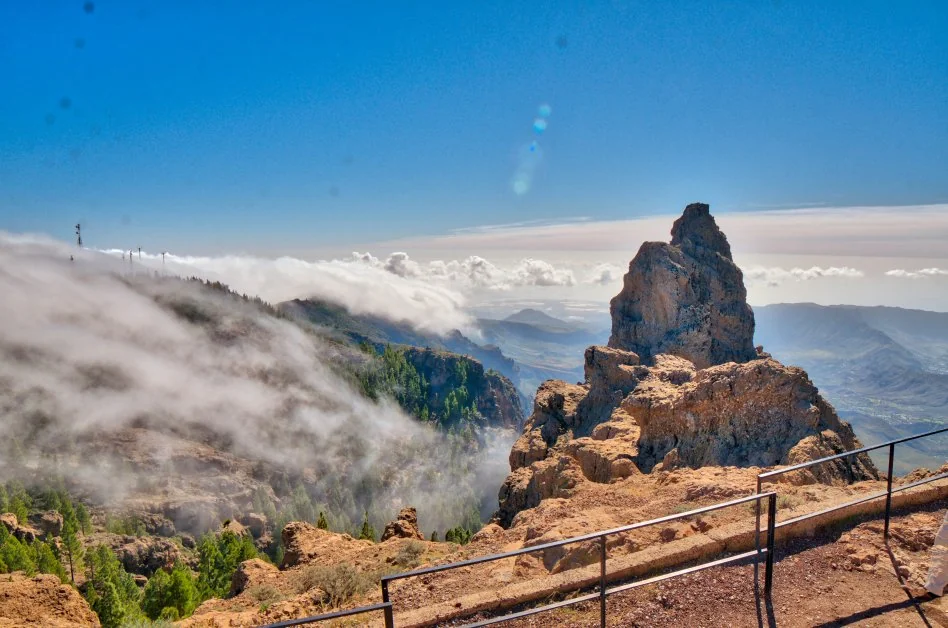
From the viewing platform at the very top, on clear days you can see neighbouring Tenerife with Pico del Teide — Spain's highest peak at 3,718 m. Mornings often catch the lower valleys under a sea of clouds while you stand in full sun above them.

TipBring a warm jumper even in July. Go in the morning — afternoons are often clouded over.

Driving alertThe road up to the summit is a series of steep, winding switchbacks — especially the last few kilometres. Drive carefully, keep right, because on tight bends it's easy to meet a car coming the other way. Stick to the posted speed limits.

Roque Nublo — sacred rock of the Guanches
Attraction 05

Roque Nublo Sacred rock of the Guanches · 1,813 m above sea level

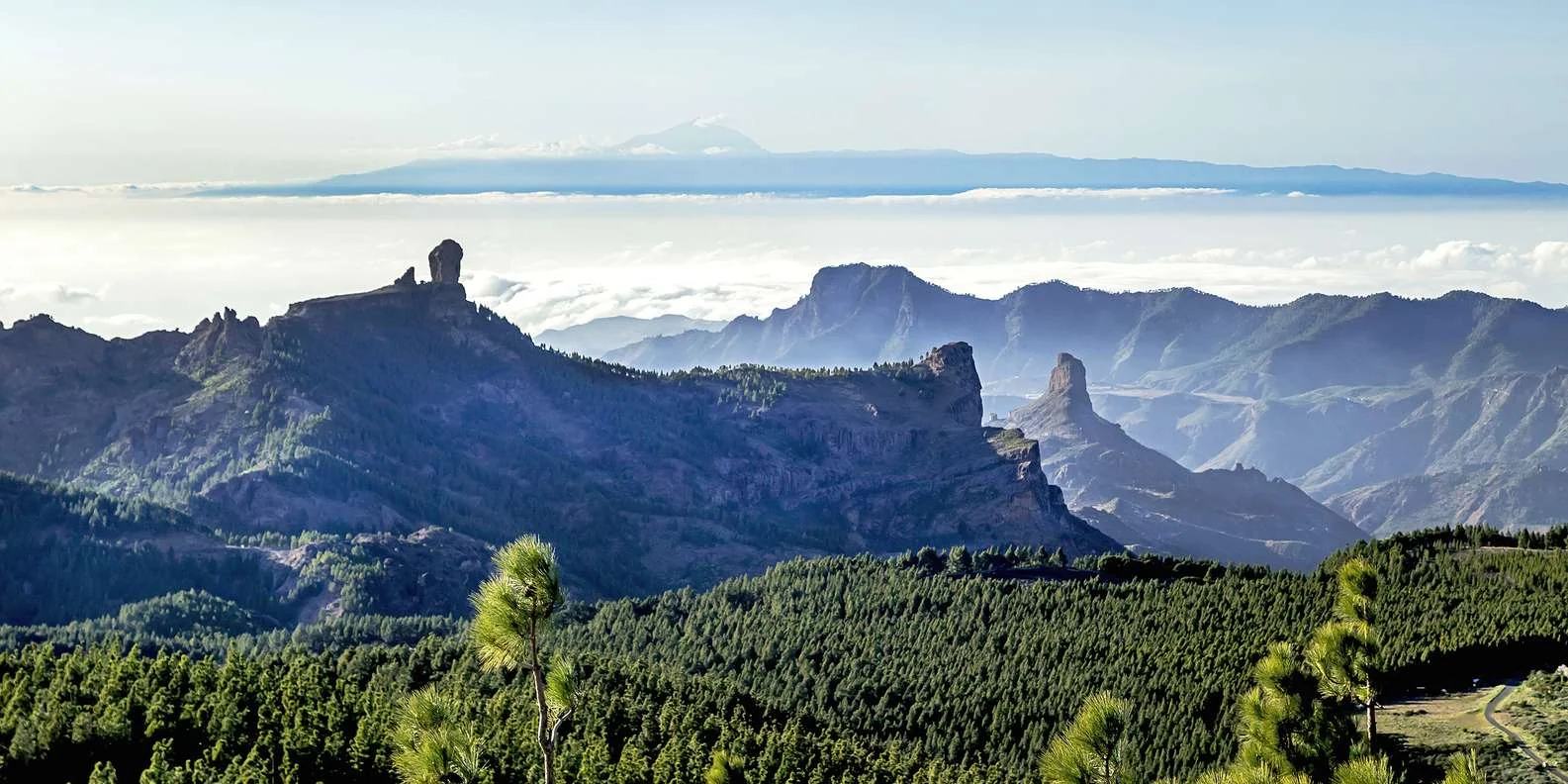
An 80-metre-high natural volcanic monolith jutting above a pine forest like a Canarian Uluru. For the ancient Guanches this was a sacred place of worship — many signs of offerings and rituals have been found here. Today it is, alongside the Maspalomas dunes, a symbol of the island.

The walk from the car park (Degollada de la Goleta) to the foot of the rock takes about 30–40 minutes one way, on an easy path that doesn't require any particular fitness. On clear evenings the orange sunset bounces off the rock — a moment that makes you forget your tired legs.

TipSet out 1–1.5 hours before sunset. The car park fills up, but the view is more than worth it.

Driving alertThe drive up to Degollada de la Goleta is a winding mountain road — especially the last few kilometres before the summit. Stay alert on the bends, watch for oncoming traffic and respect the posted speed limits.

Tejeda — village in the heart of Gran Canaria
Attraction 06

Tejeda Pueblo más bonito de España · 1,050 m above sea level

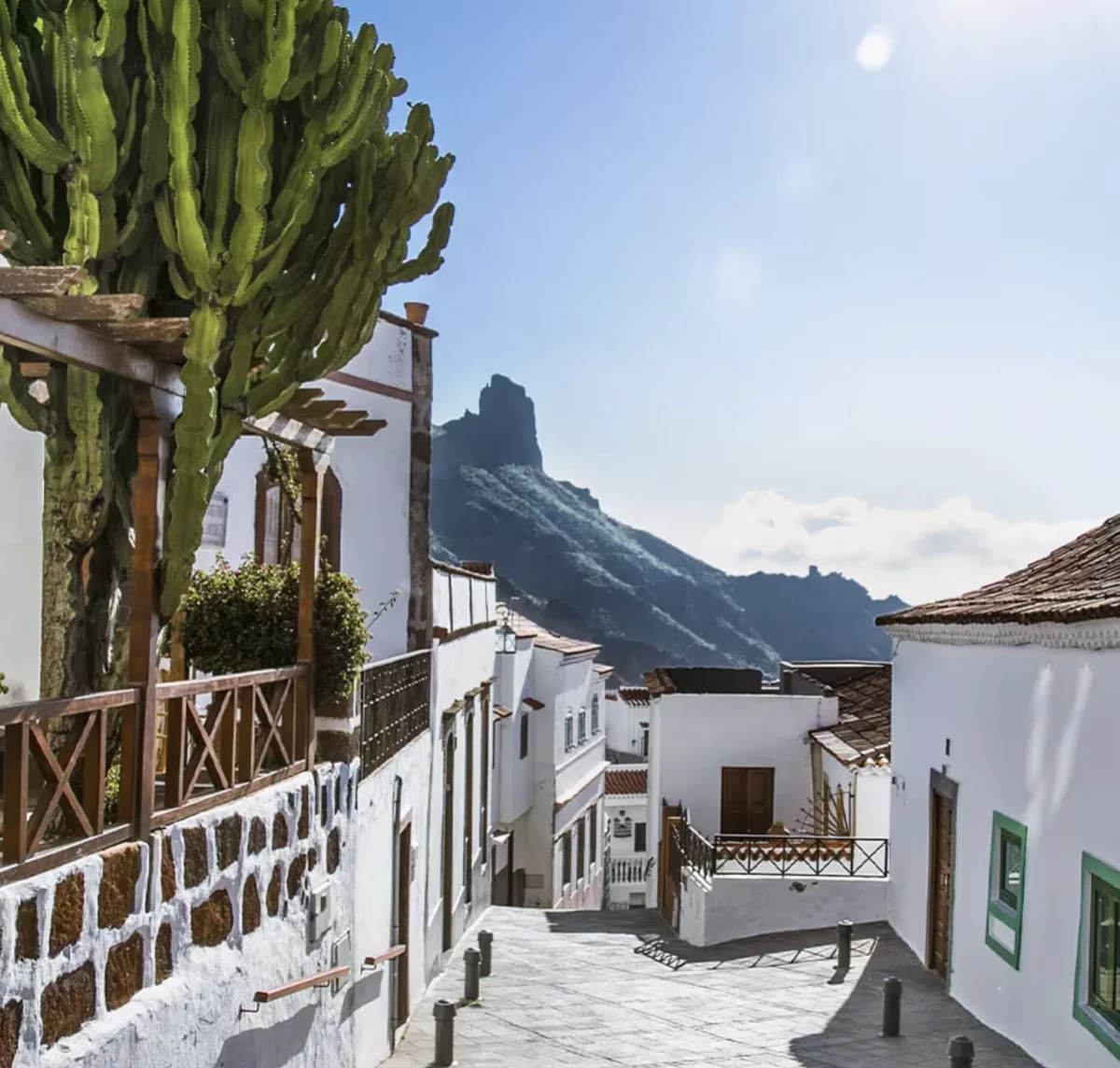
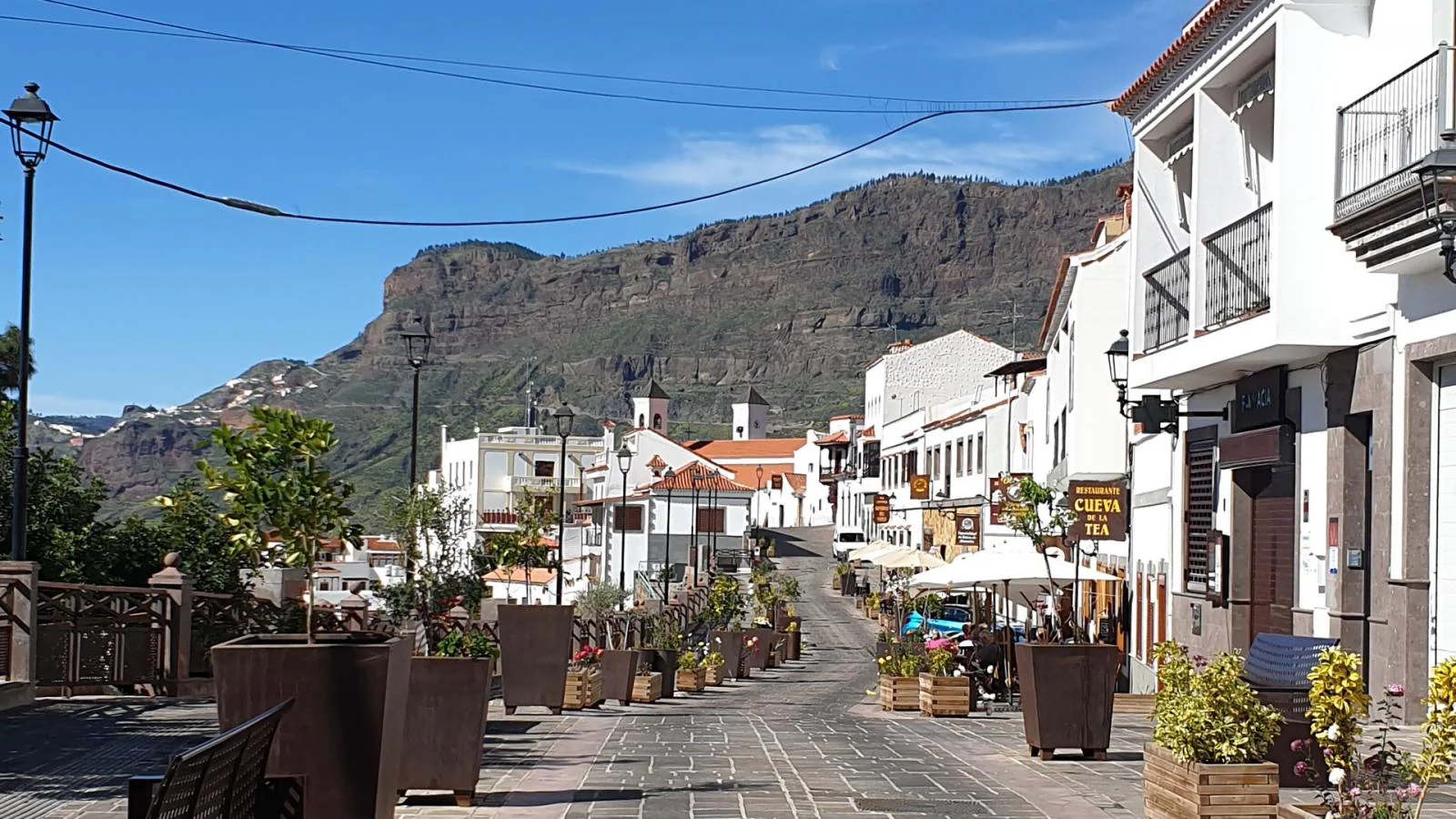
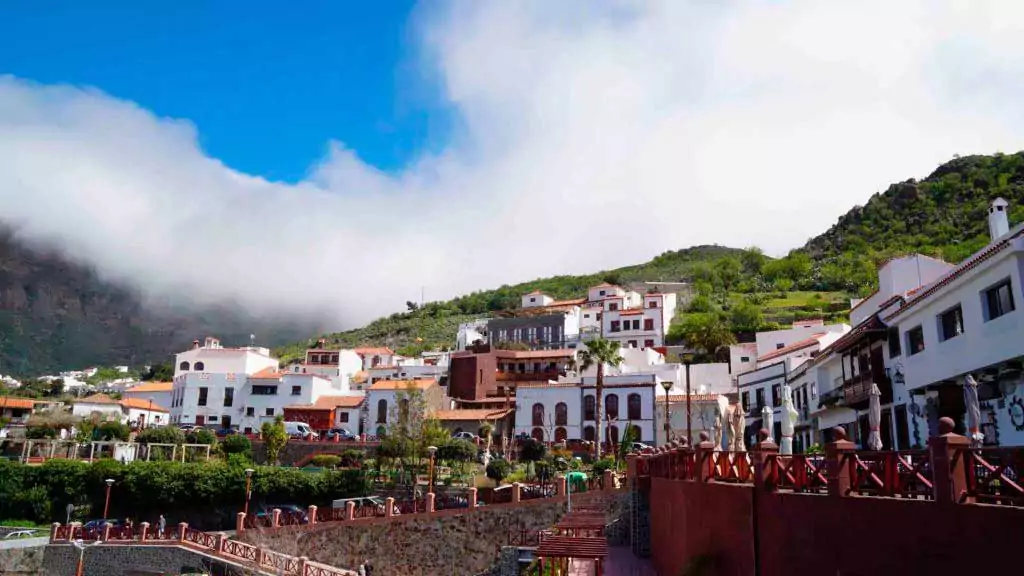
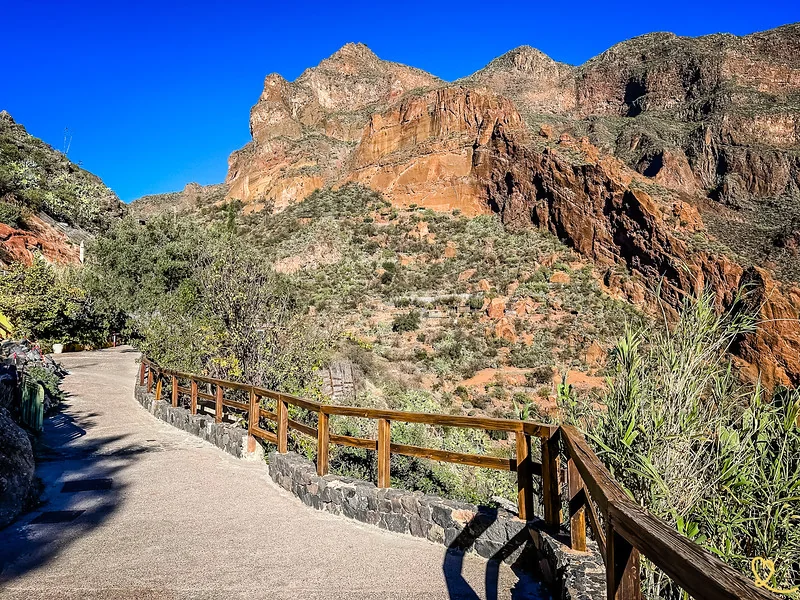
A tiny village in the heart of the mountains, officially listed among "Spain's most beautiful villages". Whitewashed houses with wooden balconies, surrounded by terraces of almond trees and dry stone walls, scattered across the slopes of the caldera. From Tejeda's viewpoints you'll see Roque Nublo and nearby Roque Bentayga almost within reach.

The village's traditional sweets are almendrados and bienmesabe — almond-based delicacies you really shouldn't skip here. In early February Tejeda hosts the famous Festival of the Almond Blossom (Fiesta del Almendro en Flor).

TipA great stop between Pico de las Nieves and Roque Nublo. Eat at one of the local cuevas (cave-restaurants) with mountain views.

Driving alertThe road to Tejeda is made of sharp switchbacks deep in the mountains — the views are breathtaking but demand full concentration behind the wheel. Slow down on the bends, leave room for oncoming traffic and don't exceed the posted speed.

The South-West — Colours and Canals

Puerto de Mogán and the rainbow rocks of Veneguera

Puerto de Mogán — the Little Venice of Gran Canaria
Attraction 07

Puerto de Mogán "Little Venice" · south-western coast

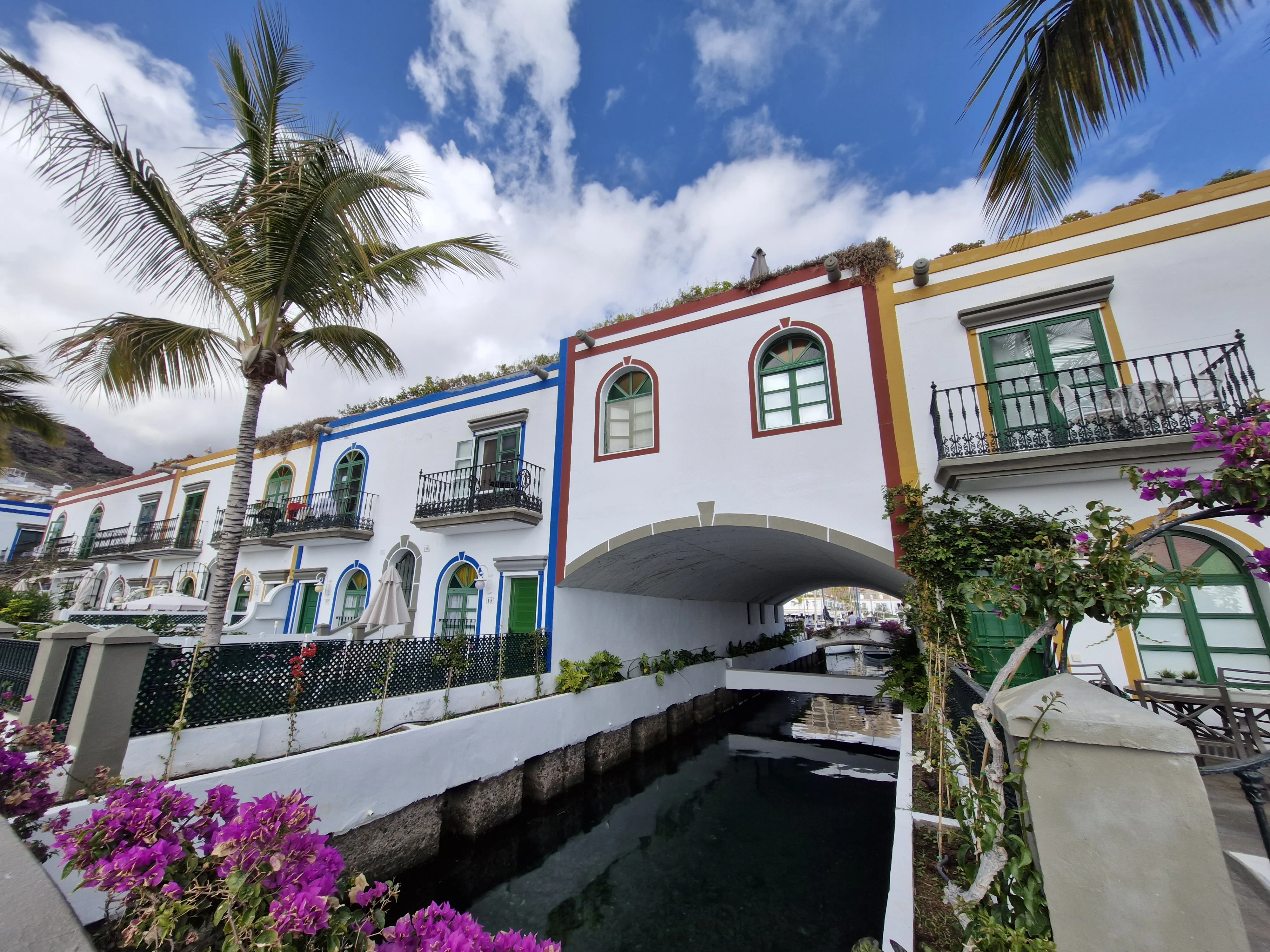
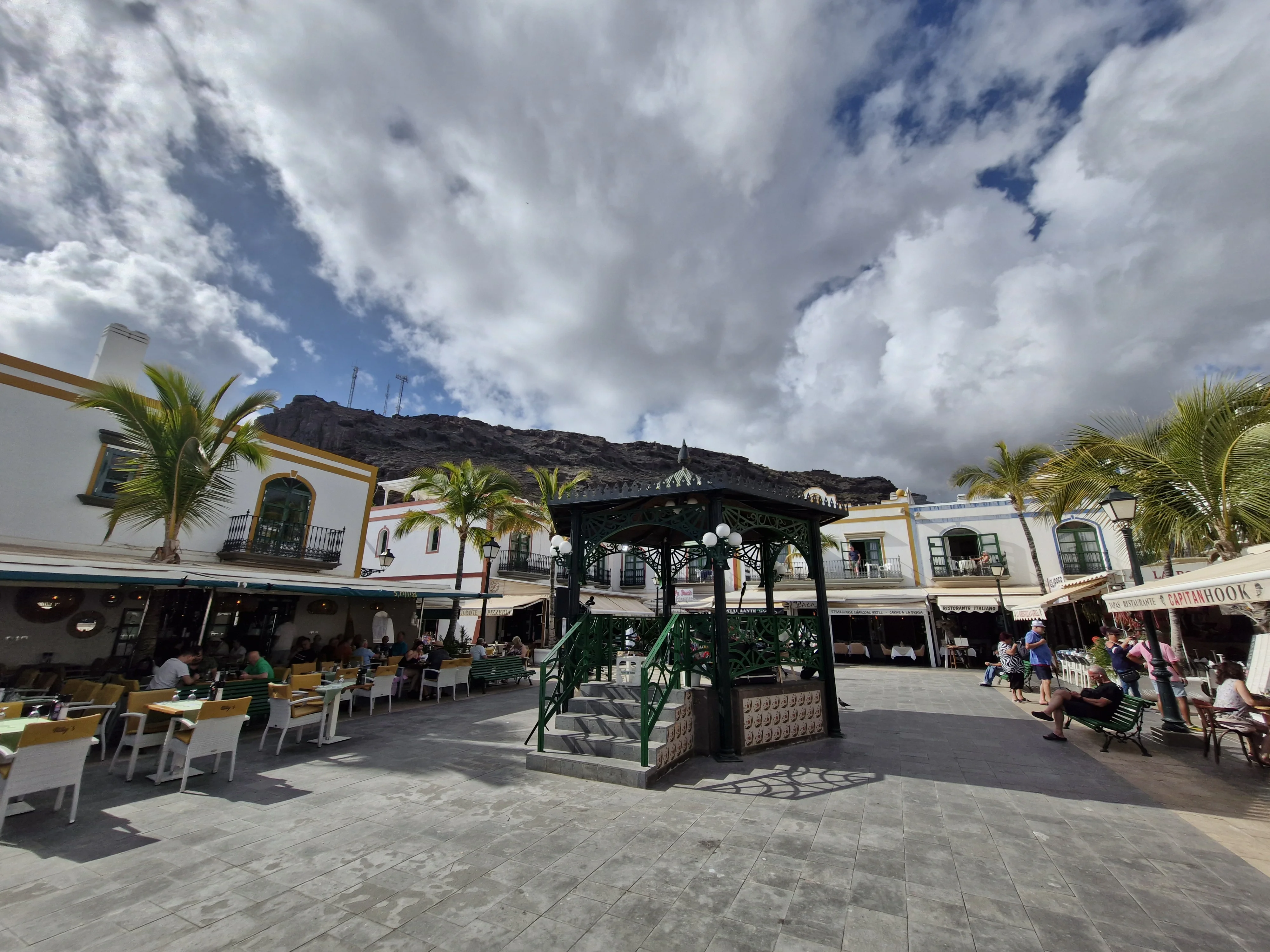
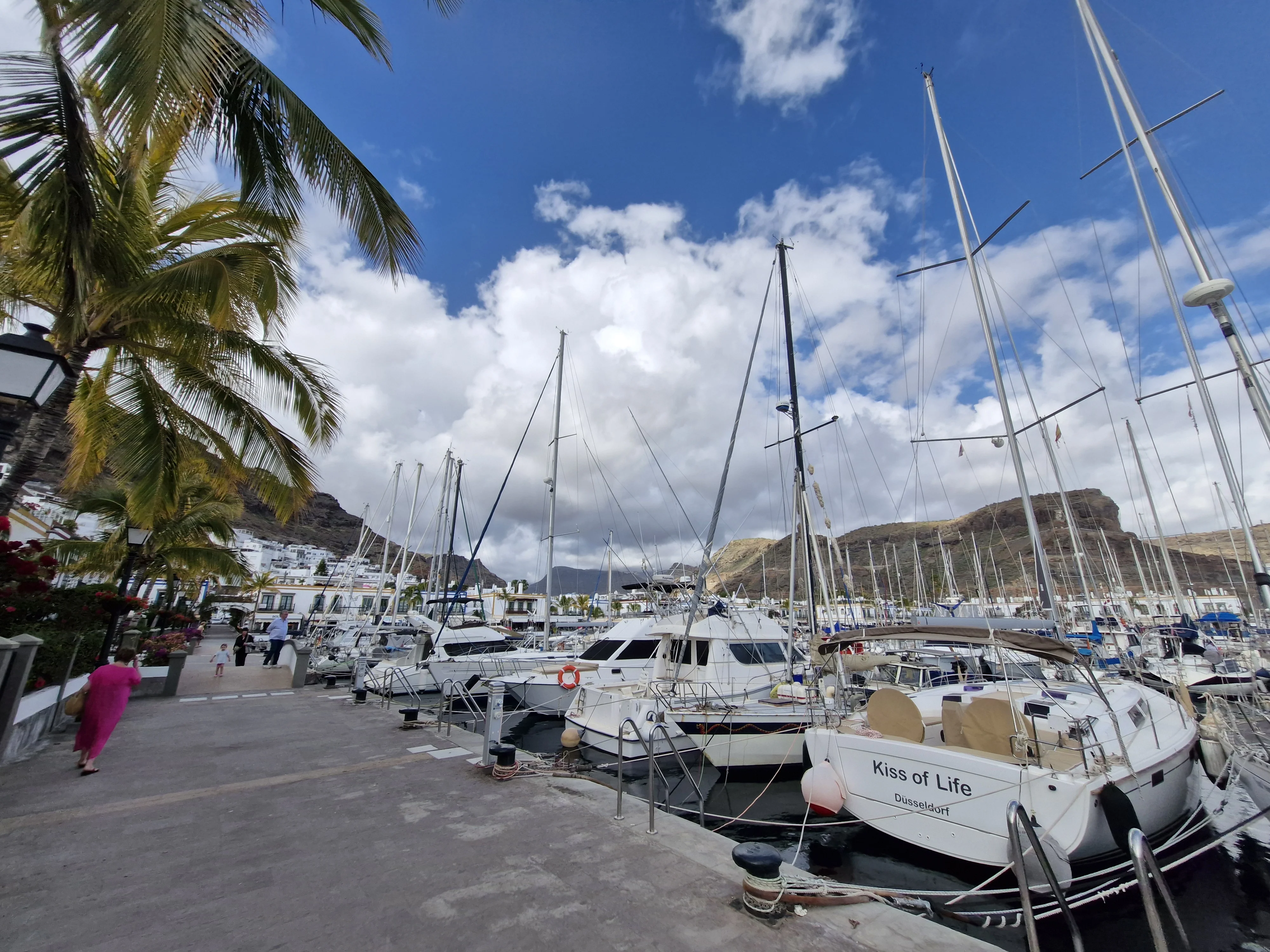
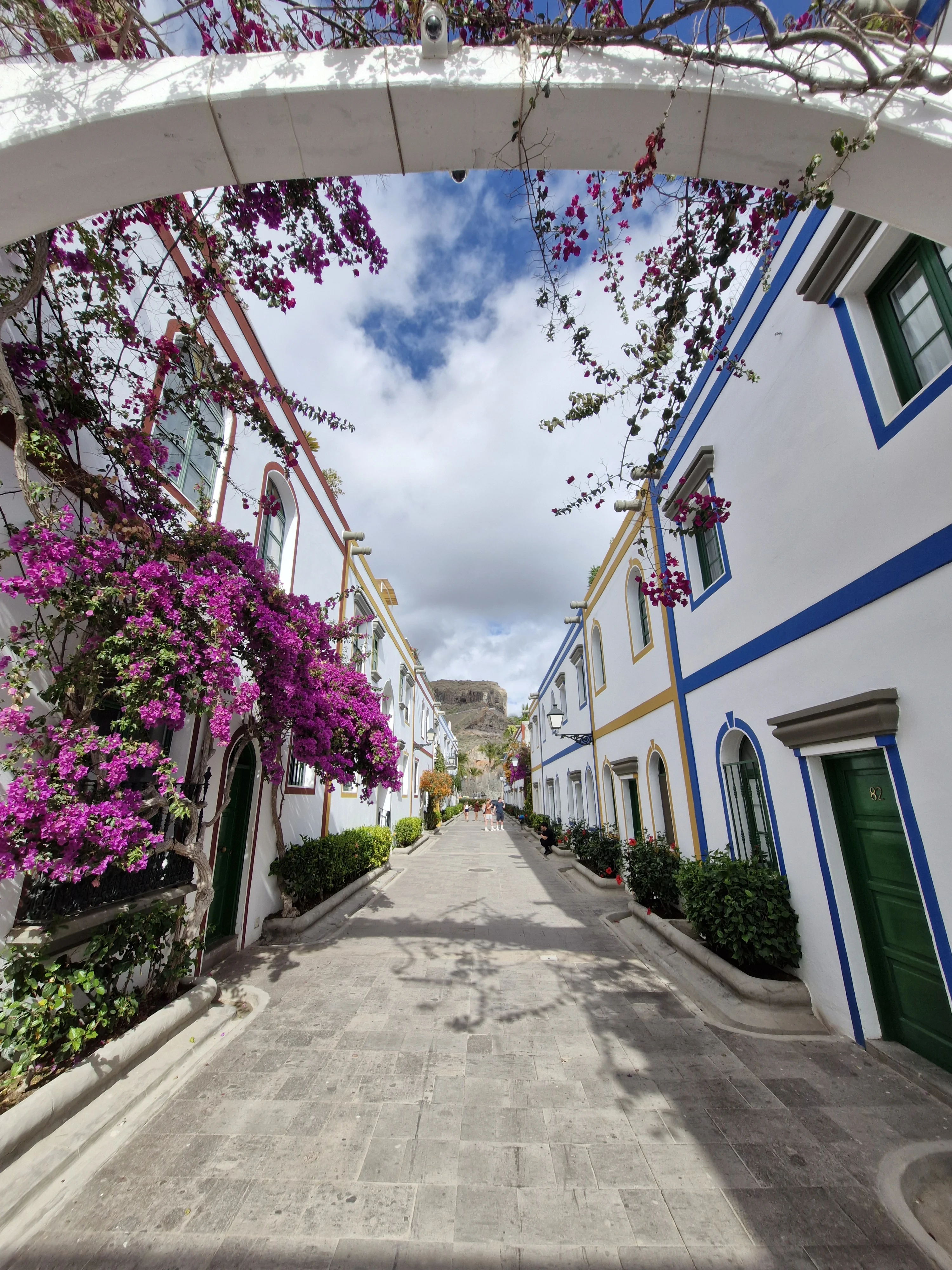
A former fishing village turned cosy port with a dense network of canals, colourful little bridges and whitewashed houses draped in bougainvillea. One of the finest examples of a successful balance between tourist development and preserved local character — no high-rises, no concrete blocks, just low pastel-coloured buildings.

A walk around the marina, a coffee at one of the waterside cafés, lazing on the nearby Playa de Mogán with its fine dark-grey volcanic sand — the recipe for a perfect day.

TipOn Friday mornings Puerto de Mogán hosts a large craft market — one of the biggest on the island. Crowded, but full of atmosphere.

Los Azulejos de Veneguera — coloured rocks
Attraction 08

Los Azulejos de Veneguera Fuente de los Azulejos · the GC-200 road

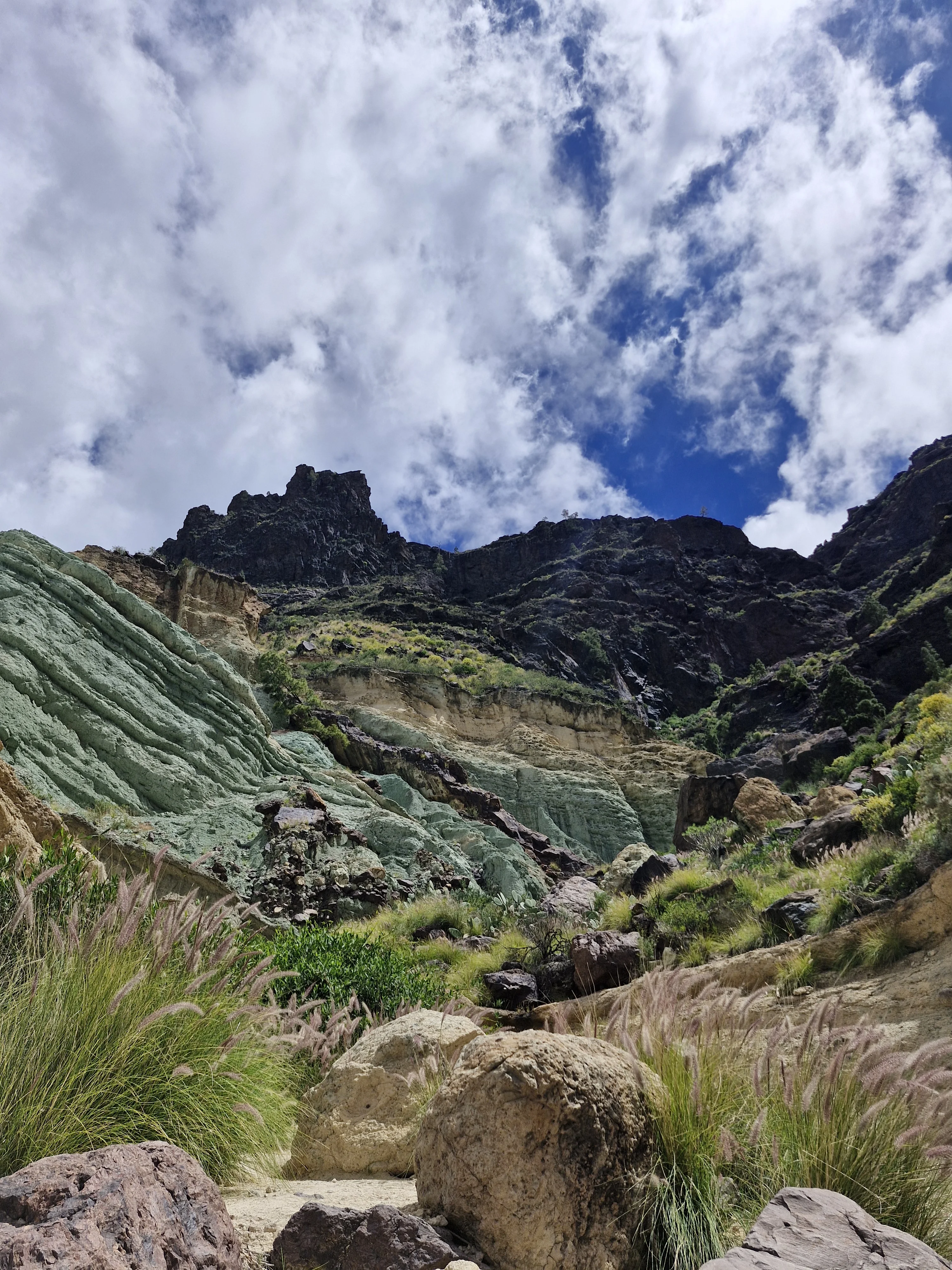
Rocks that look as if they've been painted in watercolour — turquoise, green, ochre, red and violet bands running across a vertical wall of stone, the result of iron, copper and other minerals in the volcanic bedrock weathering over time. The most spectacular sight of its kind on the whole of Gran Canaria.

The viewpoint sits right next to the GC-200 road between Puerto de Mogán and Aldea de San Nicolás. A short stop, a few steps from the asphalt, and your eyes won't know where to look. You'll usually also meet street vendors here selling local aloe and honey.

TipThe best light is between 10:00 and 13:00, when the sun hits the wall directly. Later the rocks are in shadow and the colours fade.

Driving alertThe GC-200 between Mogán and La Aldea is one of the most beautiful roads on the island — and one of the most winding. Drive calmly, watch for tight curves and oncoming vehicles, and only stop in the designated lay-bys.

The South — Dunes and Family Attractions

Maspalomas, Palmitos Park and the resort beaches

Maspalomas dunes — nature reserve
Attraction 09

The Maspalomas Dunes Dunas de Maspalomas · nature reserve

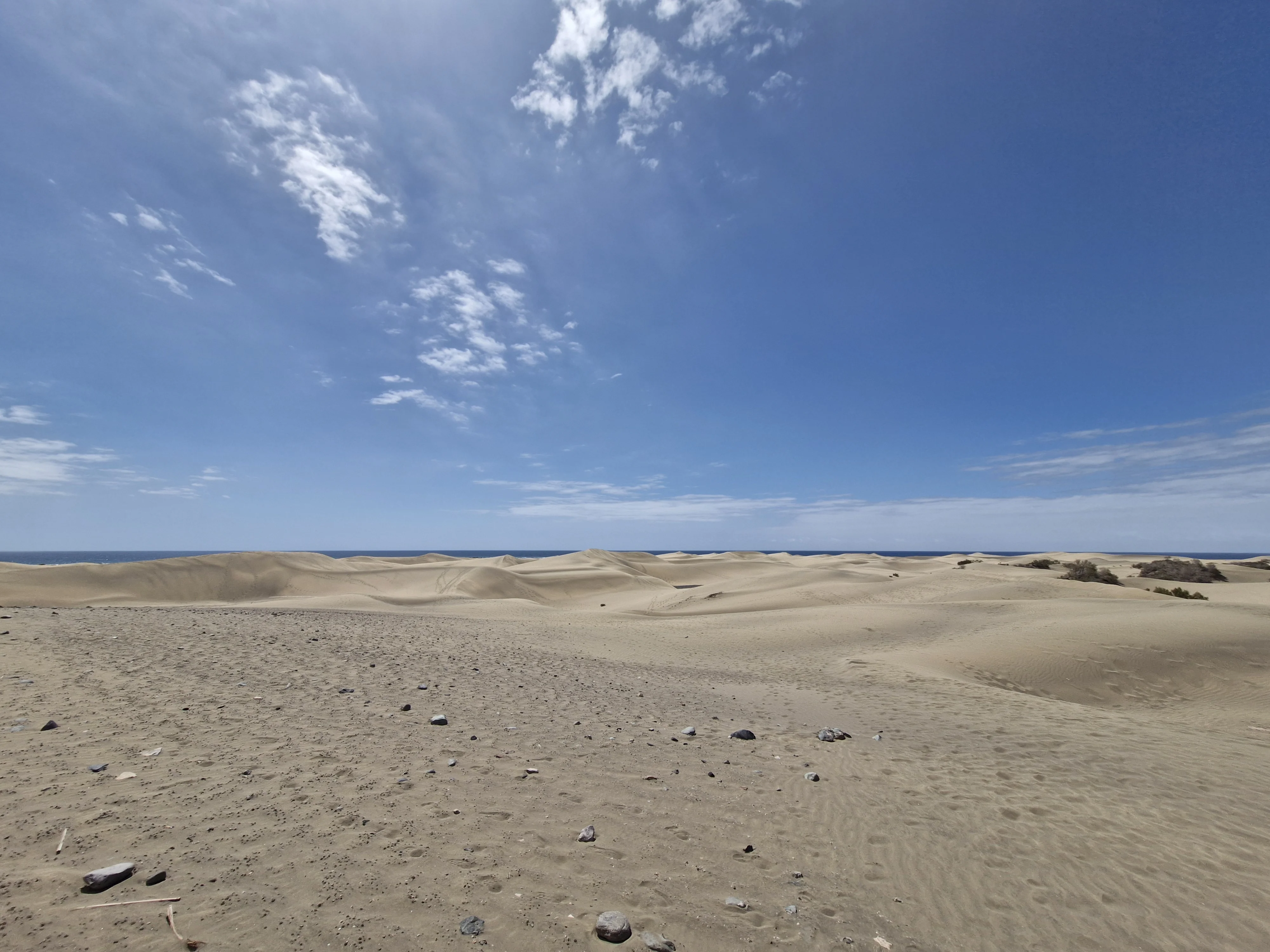
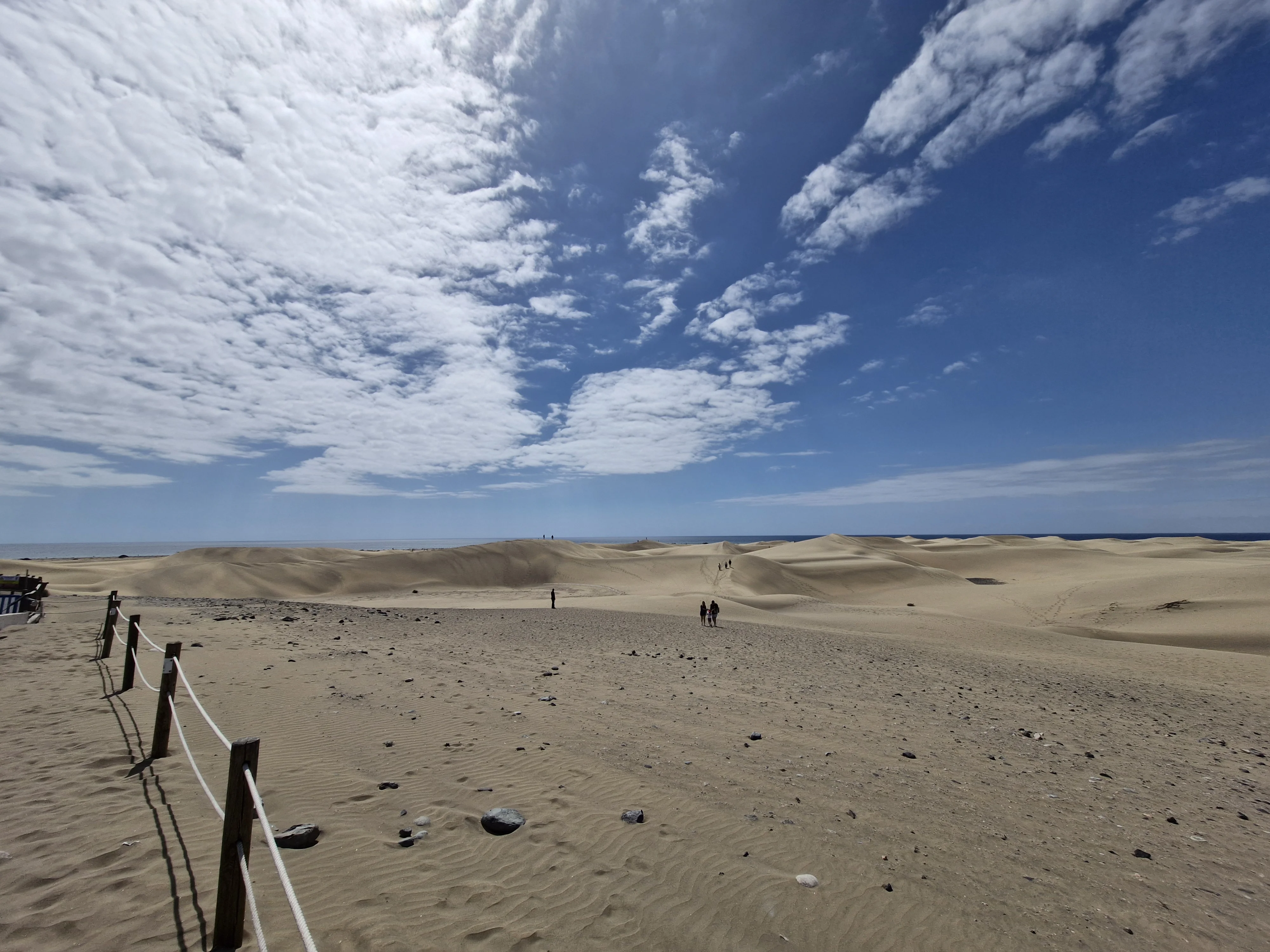
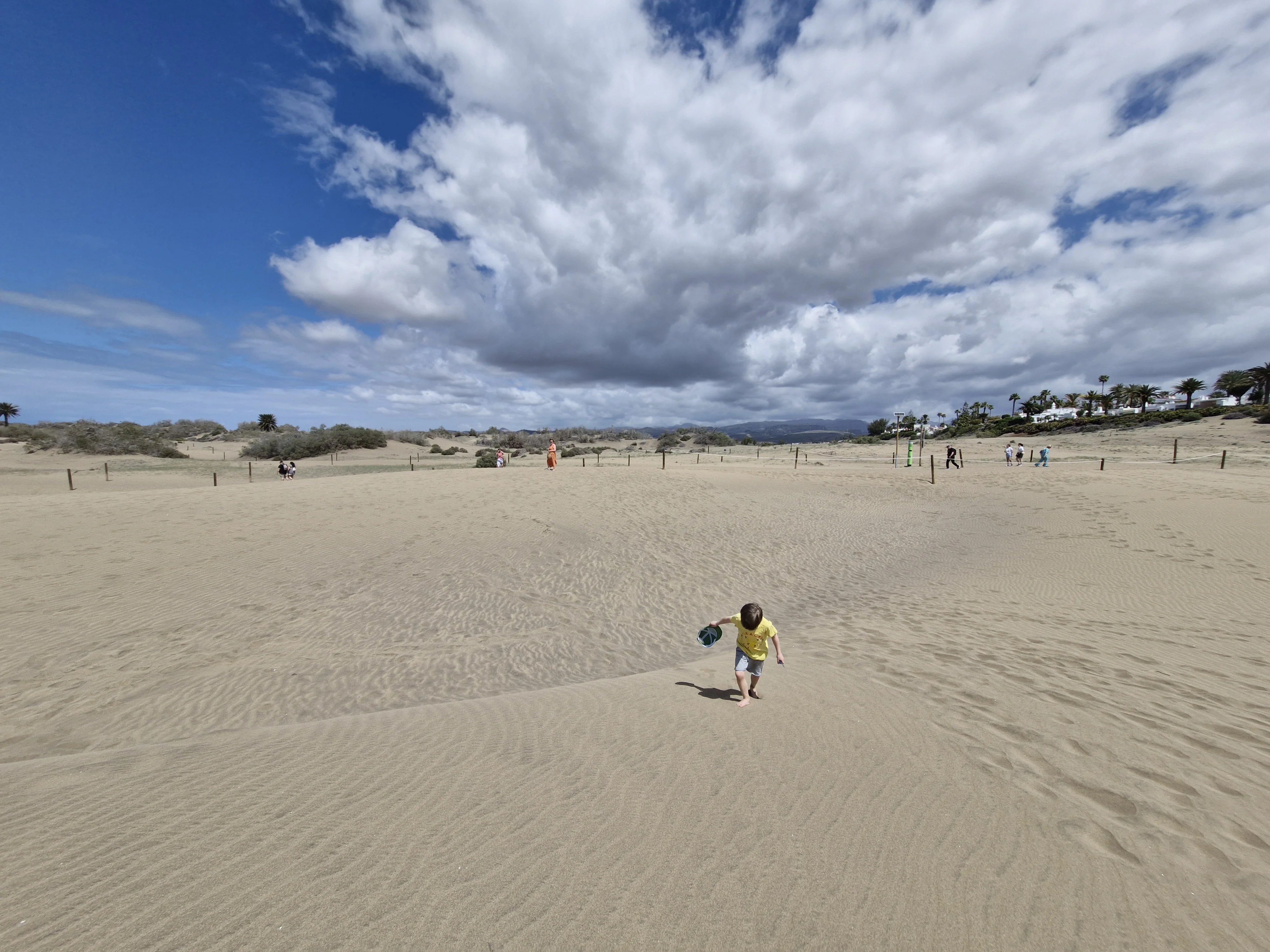
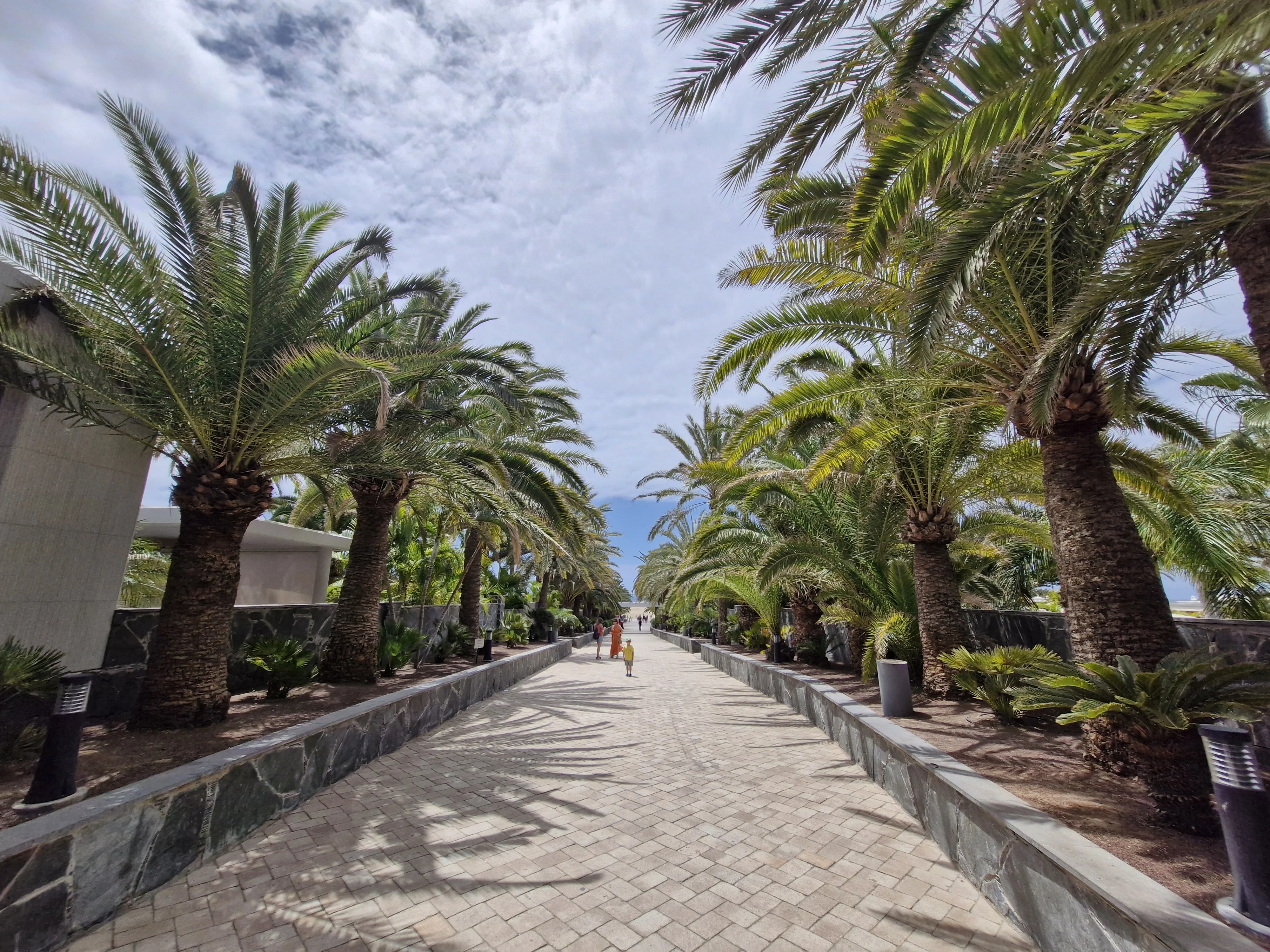
A little Sahara in the middle of the Atlantic. Four square kilometres of dunes, protected as a nature reserve, stretching from the lighthouse (Faro de Maspalomas) to Playa del Inglés. Despite being right next to the big resorts, the dunes feel like a wild rolling sand desert — walk a few hundred metres in from the beach and you're alone with the emptiness.

The best experience: sunrise. Enter from the lighthouse side, walk barefoot on the still-cool sand, long shadows, an orange disc rising over the ocean. The route from the lighthouse to the beach is about 2–3 km, depending on the path.

TipAfter 11:00 the sand is too hot to walk on barefoot. Take water with you — there are no fountains inside the reserve.

Palmitos Park — theme park in Maspalomas
Attraction 10

Palmitos Park Theme park · Maspalomas

A subtropical park combining a botanical garden with a mini-zoo — parrots in every colour, eagles, vultures, dolphins, meerkats, cacti and orchids. Several shows take place throughout the day: birds of prey in flight, parrots performing tricks, dolphins in the show pool. All set in a pine-and-palm forest tucked into a gorge.

A perfect day out for families with kids — you can comfortably spend 4–5 hours here without getting tired. The park is fairly extensive, with many viewing terraces and shaded paths.

TipTickets bought online in advance are noticeably cheaper than at the gate. Check show times beforehand — some only run once a day.

Less Obvious Places

Bonus attractions that rarely make it into the busier guidebooks

Puerto de las Nieves — fishing village in Agaete
Attraction 11

Puerto de las Nieves Agaete · north-western coast

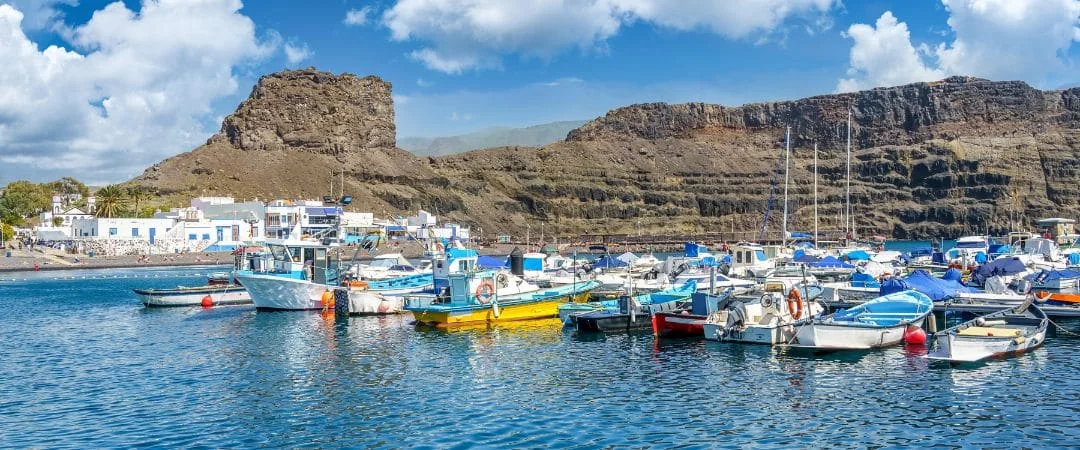
An atmospheric fishing village, historically quite isolated thanks to the surrounding cliffs. White houses line up along the basalt beach, the restaurants serve fresh fish — mostly vieja and cherne, local sea species, paired with papas arrugadas (Canarian wrinkled potatoes) and mojo verde.

Right alongside is the distinctive cliff. Until 2005 a natural rock arch called Dedo de Dios ("God's Finger") rose here — a symbol of the island, destroyed by tropical storm Delta. Even so, the view and the atmosphere of the place remain.

TipFrom Puerto de las Nieves you can take a ferry to nearby Tenerife in 80 minutes — a good idea for a day trip.

Teror — colonial town with the Basilica of Our Lady of the Pine
Attraction 12

Teror Spiritual capital of the island

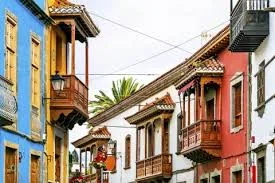
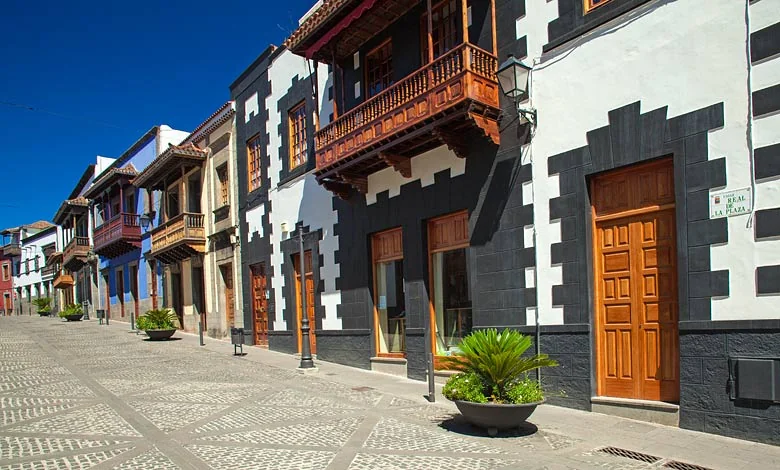
The most "Canarian" of the island's towns — white-fronted houses with carved wooden colonial balconies, cobbled streets, romantic small squares. The central figure of Teror is the Basilica of Our Lady of the Pine (del Pino) — patron saint of Gran Canaria. According to legend, she appeared here in the crown of a pine tree in the 15th century.

Teror's Sunday market is one of the most authentic on the island: local cheeses (including the famous chorizo de Teror), honeys, olive oils, hand-made baskets, fresh fruit. The atmosphere is more "neighbours meeting up" than "tourist attraction".

TipEasy to combine with a visit to Arucas or as a stop on the way to/from the mountains. Around 30 minutes by car from Las Palmas.

Barranco de Guayadeque — gorge with cave dwellings
Attraction 13

Barranco de Guayadeque Guanche gorge · Agüimes / Ingenio

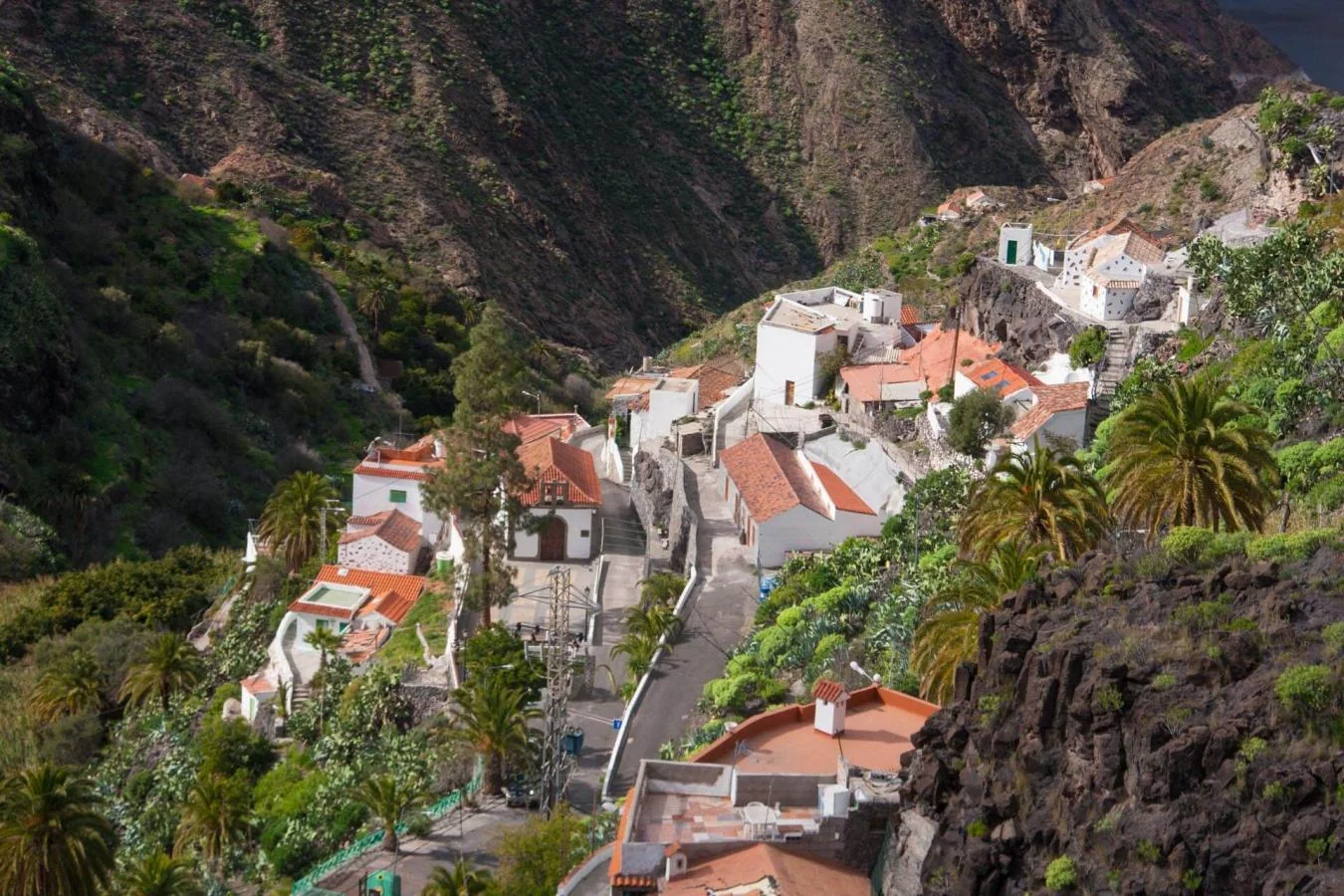
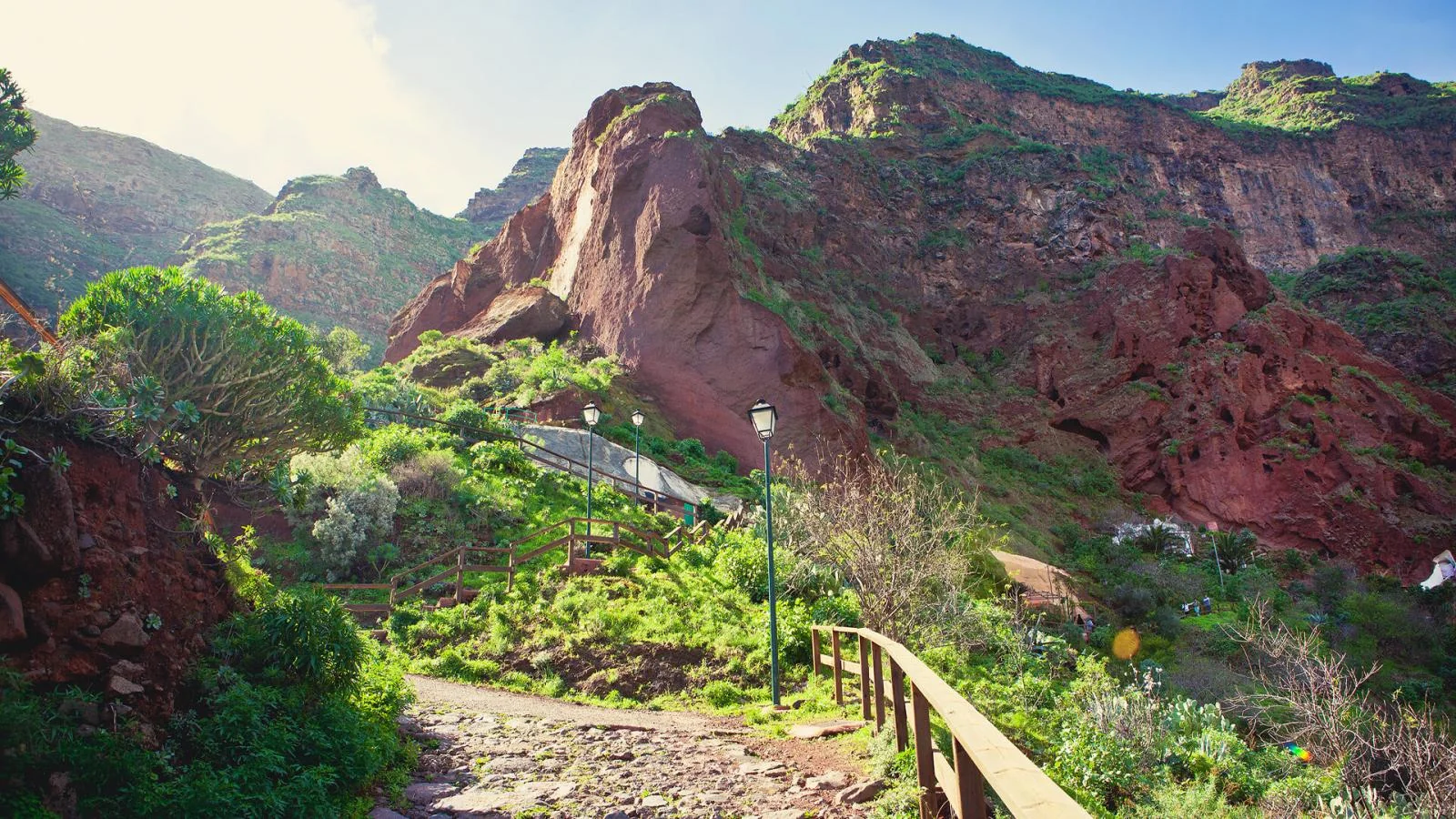
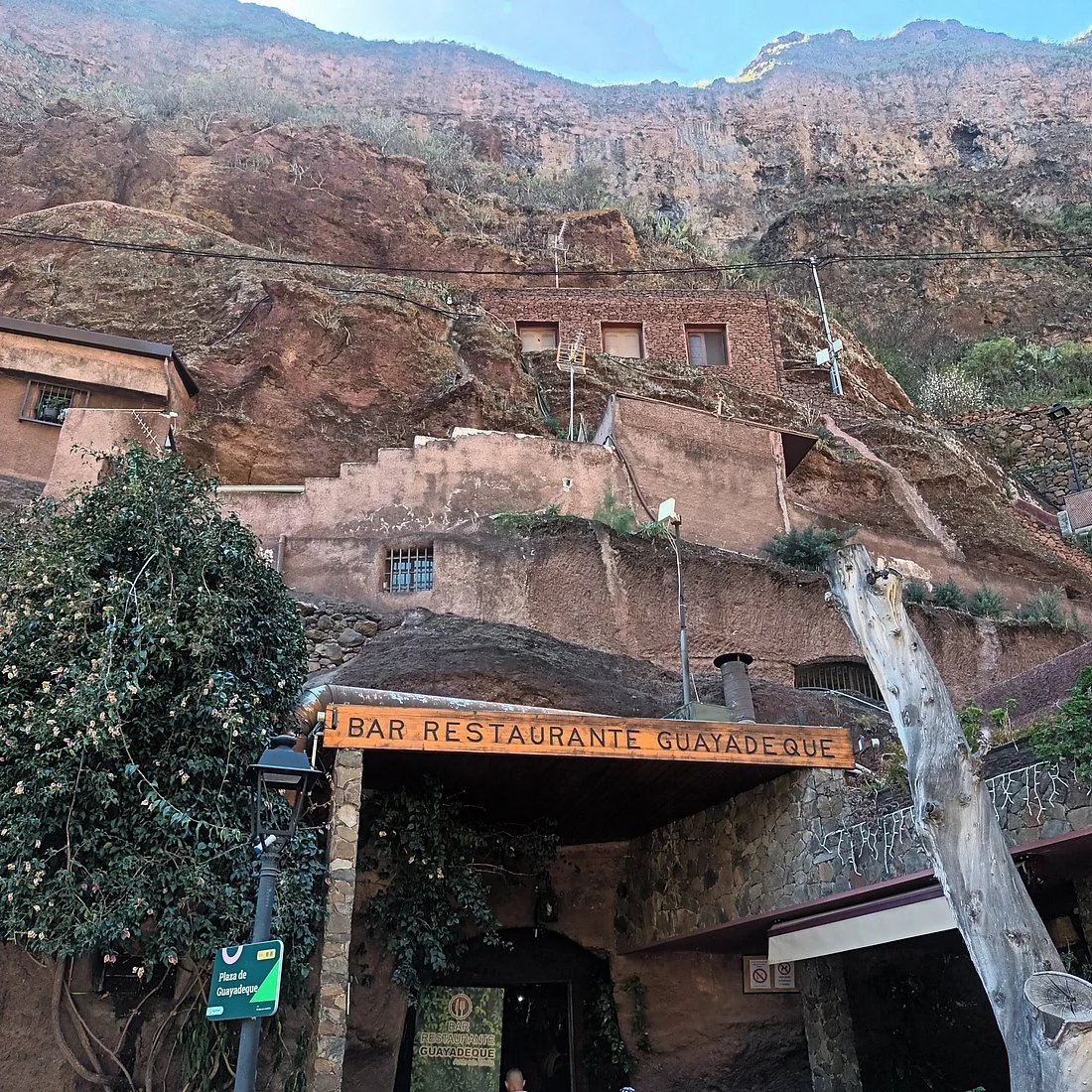
A 600-metre-deep gorge inhabited by the Guanches for centuries — and where people still live today. Caves carved into the rock walls are now private homes, taverns and chapels. The best known is Restaurante Tagoror — a restaurant set up inside natural caves, serving traditional Canarian dishes: ropa vieja, gofio escaldado, goat cheese.

Along the way: a small interpretation museum with reconstructed Guanche dwellings and information about the archaeology of the valley. The walk can be extended all the way to where the road ends and the mountain trails begin.

TipThe cave restaurants have limited seating — book in advance, especially at the weekend.

Driving alertThe road into the gorge is very narrow in places — at passing points you sometimes have to reverse tens of metres. Drive slowly, use the horn on blind bends and be ready to pull into the passing places.

Mirador del Balcón — viewpoint on the western coast
Attraction 14

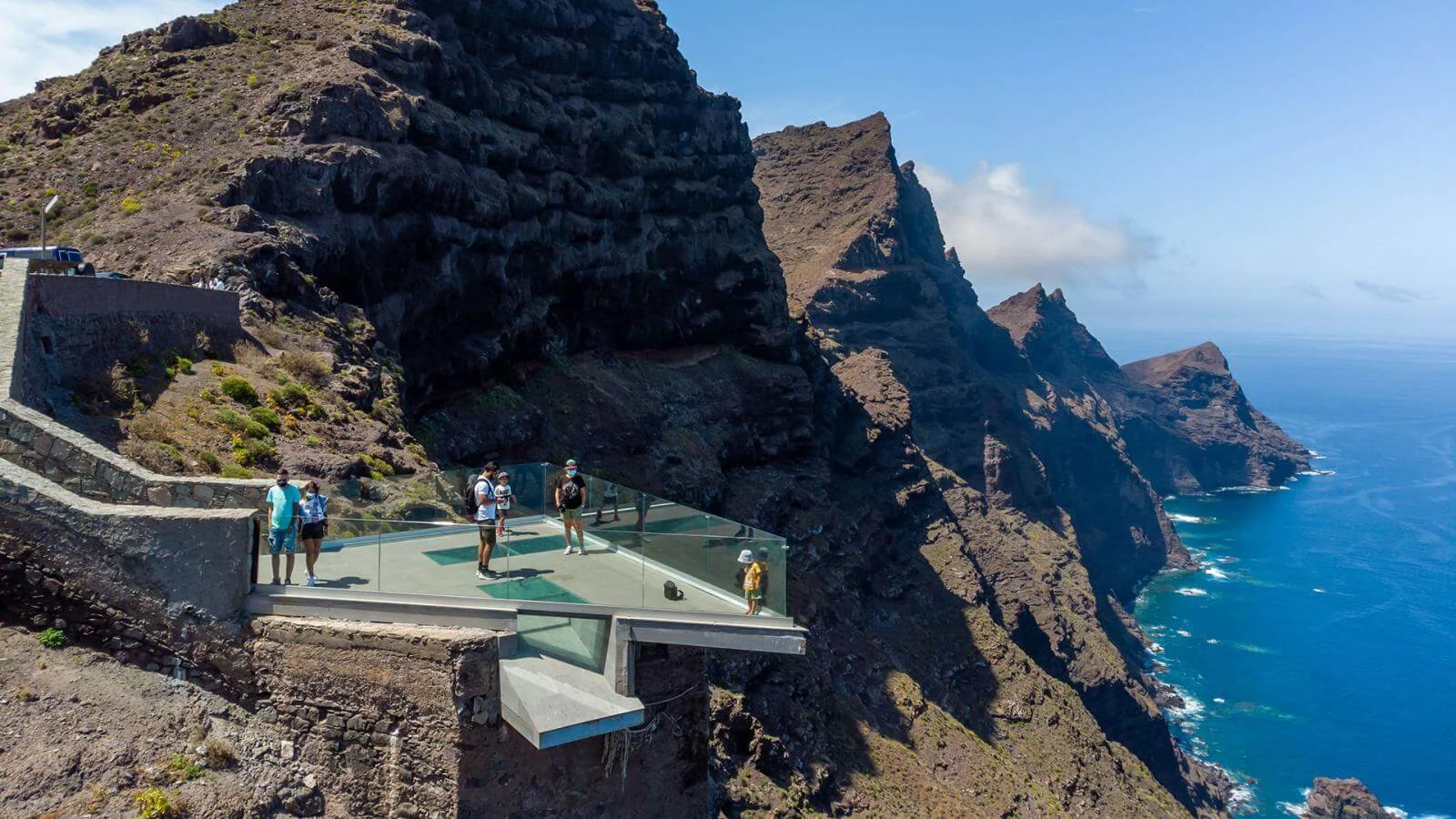
Mirador del Balcón Glass platform · western coast · La Aldea

The most spectacular viewpoint on the western coast of Gran Canaria — a glass platform jutting out from the cliff above a 300-metre drop. Standing on the glass, you have the ocean and the massive volcanic cliffs running all the way to the horizon under your feet. One of those places where a camera simply can't do reality justice.

The mirador sits on the GC-200 road between La Aldea de San Nicolás and Agaete, right in the heart of the cliff coastline. The serpentine drive there is an attraction in its own right — a route known for some of the most beautiful landscapes on the entire island. Along the cliff you'll also catch glimpses of the last untouched stretches of coast, protected as a nature reserve.

TipCome for sunset — the ocean turns gold and the cliffs glow red. The best window is 1.5 hours before dusk. The car park is small and gets crowded in season.

Driving alertThe drive up to the mirador runs along the cliff in switchbacks — the road is narrow but well-maintained. Stick to the speed limit, drive in the middle of your lane and keep an eye out for oncoming cars, especially after blind bends.